
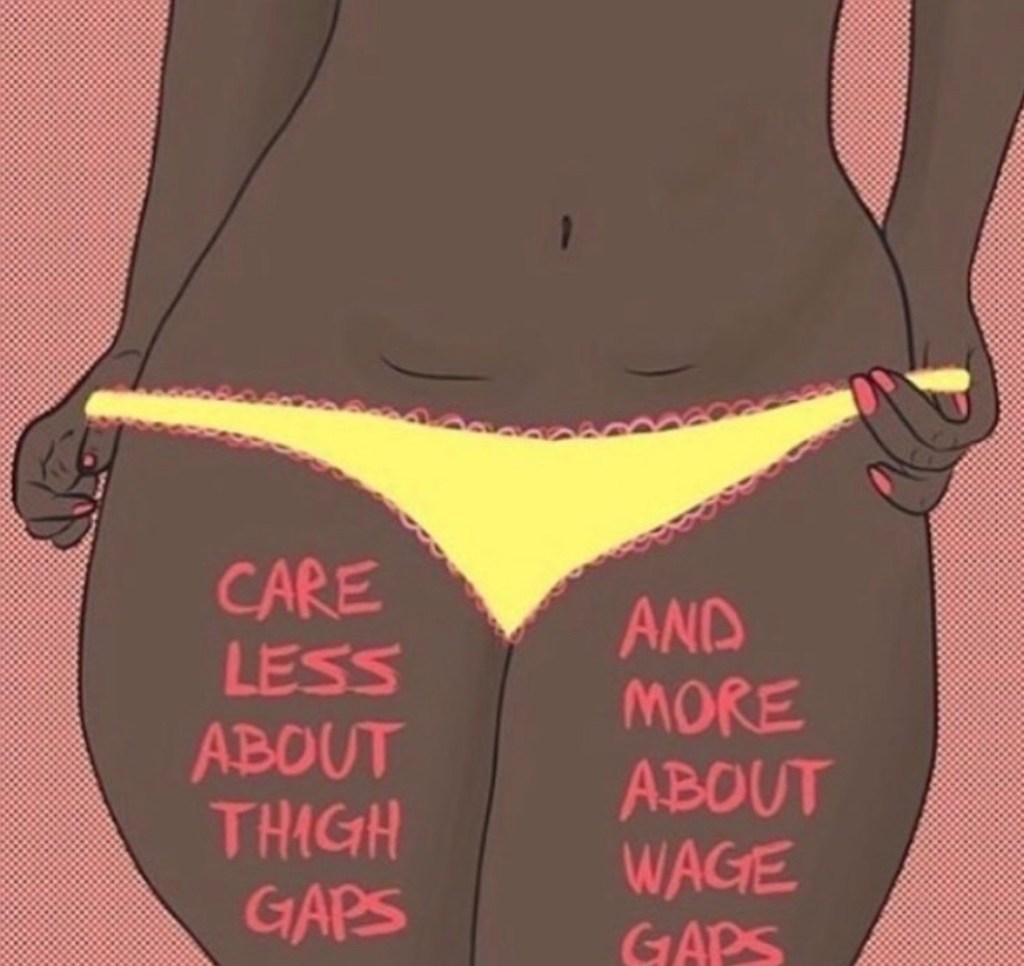
When it comes to gender differences, the issue is that there is a significant salary difference and this raises many concerns throughout the world. When scientists and researchers speak of the gender gap these days, they are usually referring to systematic differences in the outcomes that men and women achieve in the labor market. For starters, a lot of women are put under pressure when it comes to their career. Many men consider a woman’s career as a conflict because it is stereotypically said that women are caretakers and men are breadwinners. For instance, a man’s power and influence concerning his career might have a risk of deteriorating the marital relation. Hence, women are generally put down due to that. No healthy marriage should be as if it were a competition. Although, these traditional roles are slowly evolving because society’s recognizing this issue we are currently dealing with. Society has seen the changing in the trends of men’s and women’s attitudes and actions over the past decade. Even though women receive less money than men, women are starting to step outside the box in order to stand their ground. According to the Gender Pay Gap Ratios, Stats and Infographics, “women still make only $0.79 for every dollar men make in 2019”. The uncontrolled wage gap represents how stereotypes really get in the way of careers. For instance, women are not capable of demanding jobs just like men can handle them. It is not about gender, it is about strength and integrity. As stated in the website, “There are structural barriers which keep women from advancing in the workplace– this is what we call the opportunity gap”. Women do not have the opportunity to go forward in what they want to achieve. If a woman wants to pursue in her dreams, difficulty comes along.

Also, this study has found that most men and women start their career as an individual contributor. However, a small percentage of women reach manager or supervisor level by the middle of their career. To give an example, “By mid career (age range 30-44), 47 percent of men are managers or higher, while only 40 percent of women reach this level. By late career (age 45+), 57 percent of men are managers or higher, while only 41 percent of women reach this level. Few women ever make their way to C-suite. By late career (age 45+), eight percent of men have risen to an executive level position, compared to three percent of women.” Factors such as economic, cultural, and historical influence the gender wage gap.
 Gender Roles