
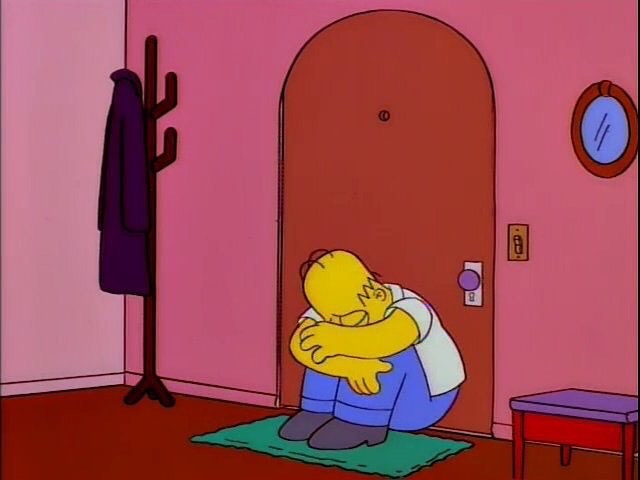
To state the obvious, dealing with a mental disorder is not easy. At times, or even most times, you might lose your self-control. You begin to wonder who you are, what you truly admire, or what your passions are in life. This poisonous disease manipulates you into thinking you are worthless. You start wondering if this is who you are or your disease. Society is so quick to characterize these oppressing feelings as violent. Mental illness feels like a crushing stone in one’s chest making it hard to breathe. Besides all this, there’s a deeper distinction when it comes to gender roles and mental health. In a society, gender roles is how we’re expected to act, speak, dress, and conduct ourselves based upon our assigned sex. You have probably heard it all. “If you’re a man struggling with a mental illness, you’re a sissy.” “If you’re a woman struggling with a mental illness, it’s normal, you’re a woman.” What does that mean? What does it mean being a woman and struggling with mental illness?
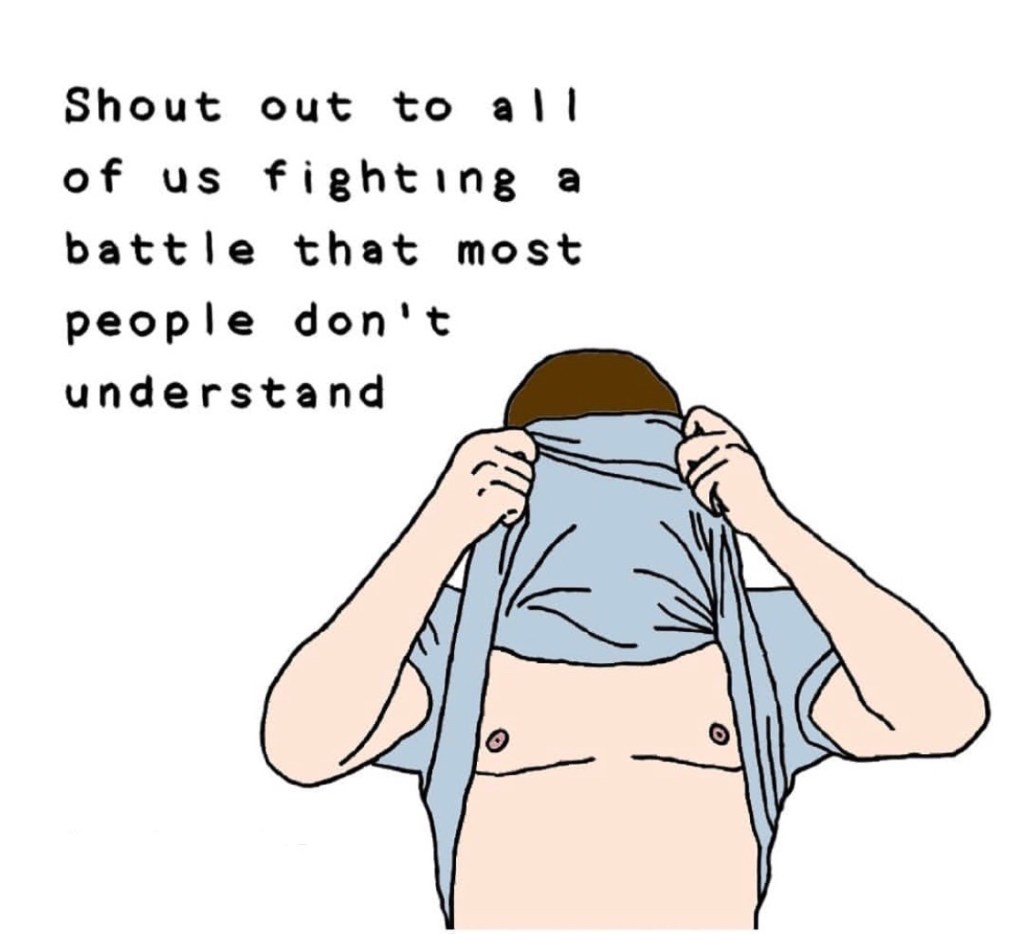
Women are taught to be lady-like, proper, and sensitive when it comes down to expressing their emotions. On the other hand, men are taught to be strong, collected, and to suck it up. Stereotypes ruined our society. Social learning theory, which is also known as repeated behaviour, comes from a child’s parents. Parents teach their children what to be, how to act, and what to like. It’s awful. Families are usually the primary source of socialization and greatly impact gender role socialization. The bottom line is, men and women are equally allowed to feel emotions. These expectations by society are not realistic. Men that stay inside the box are generally safe from the harassment that occurs outside the box. Men who leave the box are accuse of being “women” or “gay.” The moment they are accused of being outside the box, they could retaliate in an aggressive fashion and then put themselves back into the box. Women who stay inside the box are not “safe” as promised but are raped or abused as often as women outside the box. The only benefit that they may be believed by society more often than women outside the box. Going back to social learning, there is a question that sex role behaviour is portrayed as highly stereotypical manner in all forms of the media such as television, movies, magazines, books, video games, and so on. I really believe that young boys and men need better access to mental health care. Mental health has become a huge crisis in our modernized world, and boys are not getting enough attention because of the social learning theory. Since men are taught to be strong, they are less likely to talk about their emotions. This results to men not being able to expressively open up and speak out about what is bothering them. We need to find a way to stop the stereotypical bashing amongst people, especially men.
 Gender Roles